
Full 25-point door and opener safety check with every visit - springs, cables, rollers, tracks, and your LiftMaster or Chamberlain opener included
You get a price before we start. It does not change when the truck arrives.
 Before
 After
After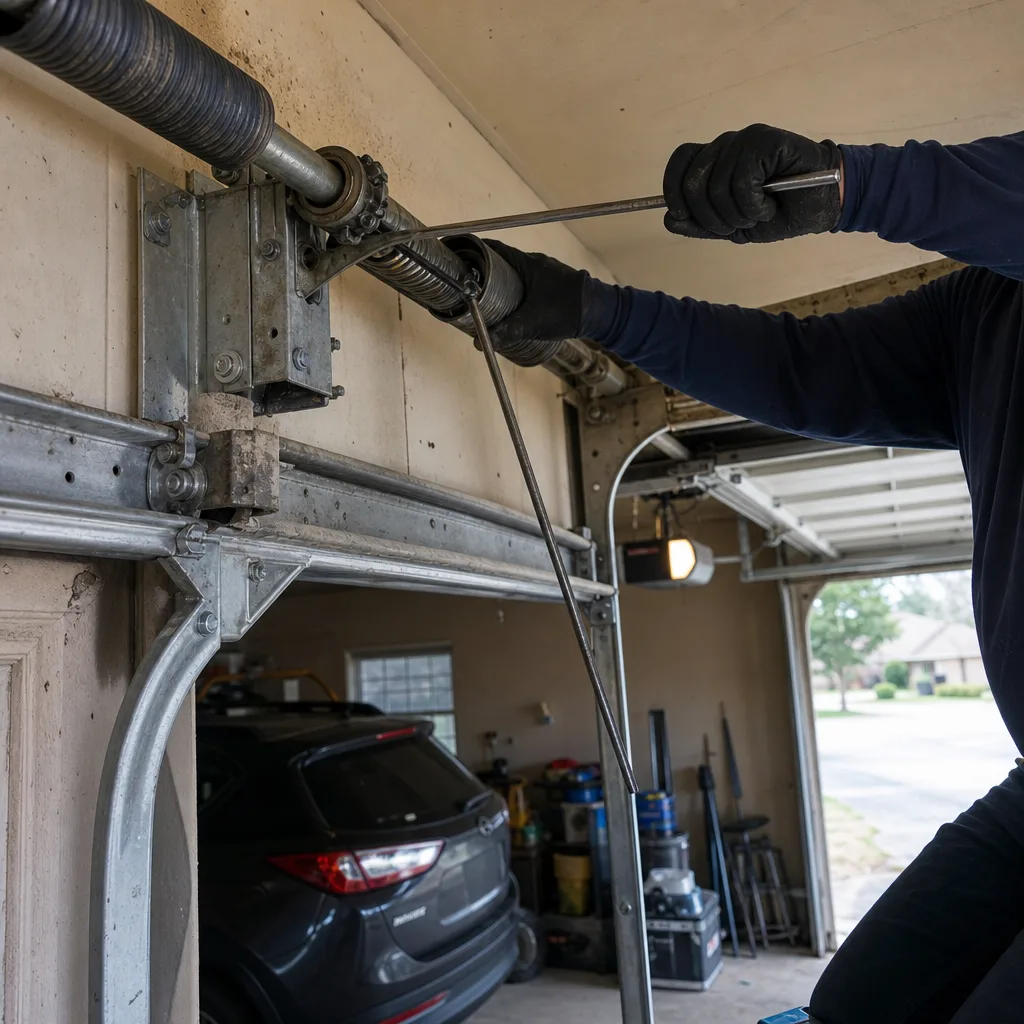 Before
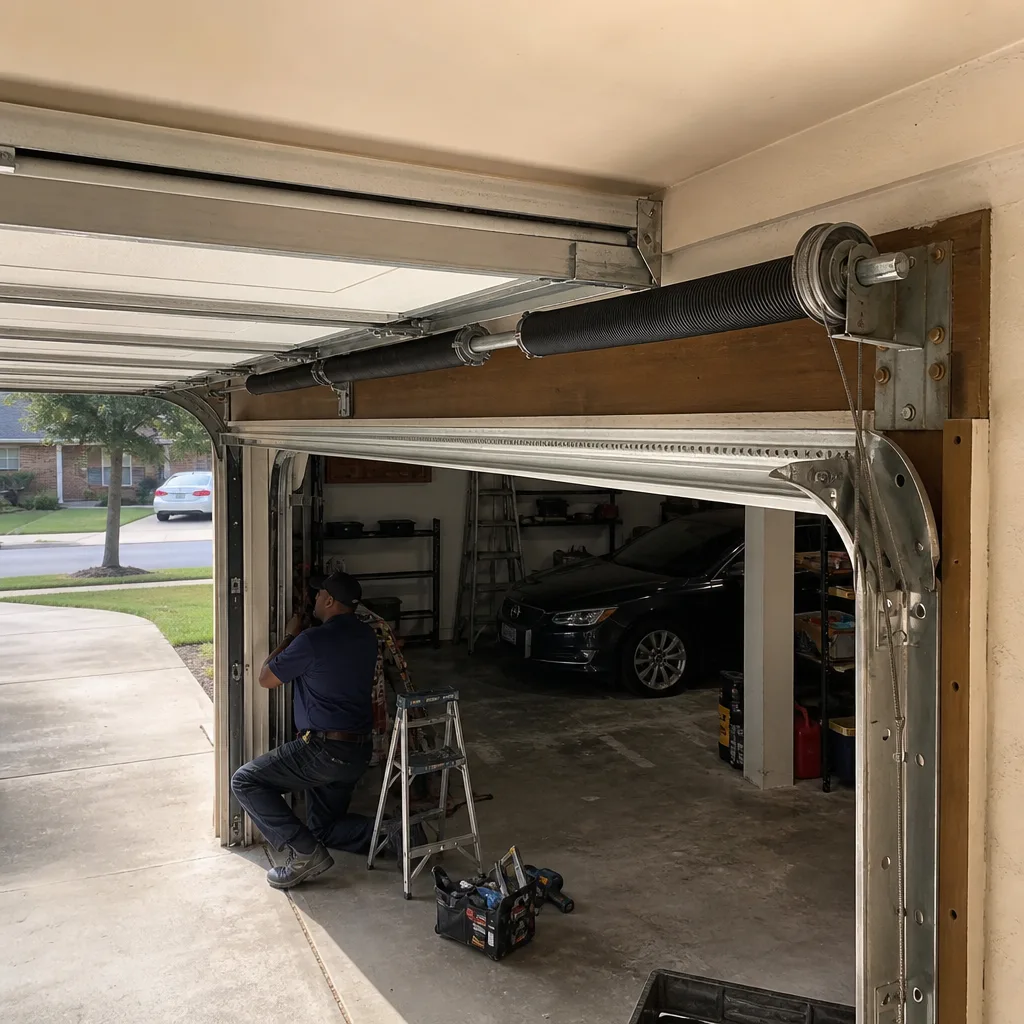 After
After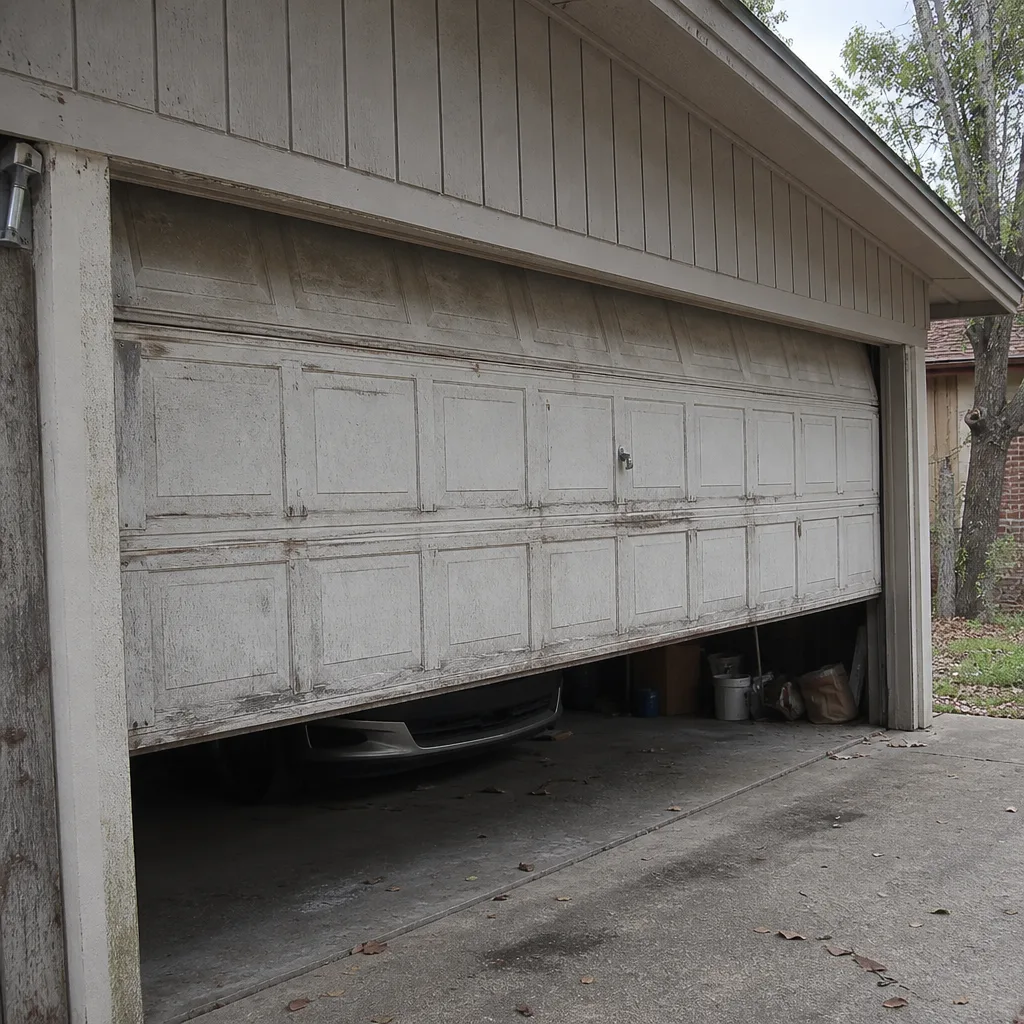 Before
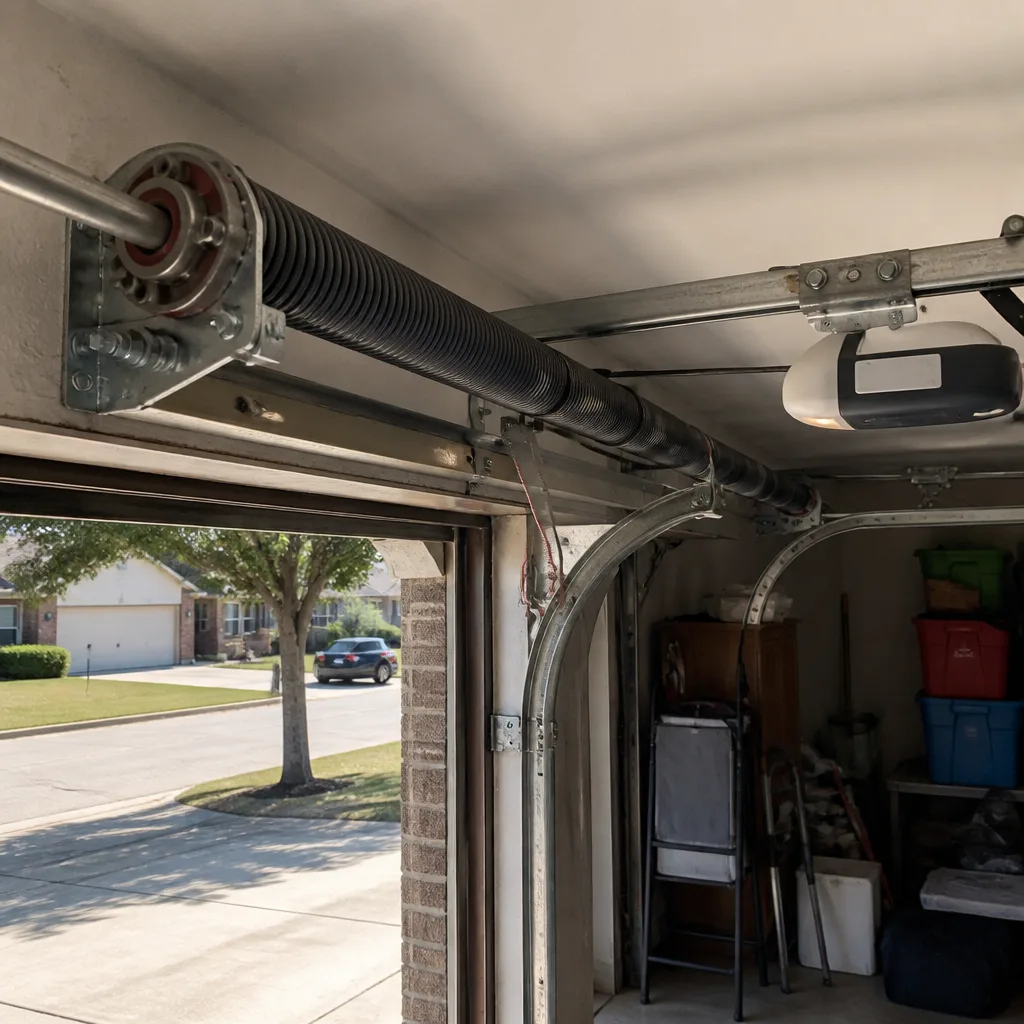 After
AfterRaynor Weather Seal Replacement: The Spring Owner’s Guide
We stock and install Raynor-compatible weather seal replacement for most residential models in Spring, TX, with typical installed pricing between $150 and $600 depending on door size and seal type. Most jobs are completed in a single visit because our trucks carry the common Raynor seal profiles, and we quote the flat price before any work begins. Homeowners usually discover the seal has failed when they notice water pooling after a hard rain, feel a draft they never felt before, or spot daylight showing under the closed door where rubber used to meet concrete.
Which Raynor Models This Applies To
Raynor has used several seal designs across its product lines, and getting the match right matters. The Admiral and Centura series from the 2000s typically use a single-channel T-style bulb seal with a 3-inch to 4-inch rubber leg. Newer BuildMark and Advantage doors often ship with a wider U-shaped astragal that wraps the bottom of the panel itself. The distinction matters because the wrong profile either will not seat in the retainer or will leave gaps at the corners.
To identify what you need, check the metal retainer strip along the door bottom. A single center slot means T-bulb. A wider channel with two legs means U-shaped astragal. If the original seal is still partially in place, measure the width of the retainer channel to the nearest sixteenth. We carry quality aftermarket equivalents that match Raynor’s original specs, though we are an independent service provider with no affiliation to Raynor. In our experience, the aftermarket EPDM rubber holds up just as well in the Houston humidity and costs less than factory-ordered parts that take a week to arrive.
Signs Your Raynor Weather Seal Replacement Is Failing
- Water intrusion after rain. The seal’s rubber has hardened or cracked, losing contact with the floor. In Spring, our clay-heavy soils shift seasonally, and a seal that once sat flat may now ride high on one side while gaping on the other.
- Visible daylight under the closed door. This means the seal has compressed permanently or torn away from the retainer. Even a quarter-inch gap lets in enough summer heat to strain your garage air conditioning and enough winter chill to freeze pipes in an attached garage.
- Pest activity in the garage. Mice and insects follow the path of least resistance. A deteriorated seal is that path. We have found rodent trails concentrated at the corners where Raynor seals typically fail first due to repeated flexing.
- Rubber pieces on the floor. EPDM degrades in UV and ozone; after seven to ten years in the Texas sun, it flakes apart. If you are sweeping black crumbs from under the door, the seal is past saving.
- Increased noise from the street. A good seal does more than block weather; it dampens sound. When it fails, you will hear traffic on Rayford Road or the neighbor’s mower more clearly than before.
Replacement Cost & What’s Included
For a standard single-car Raynor door in Spring, weather seal replacement typically runs $150-$280 installed. A double-wide door or one requiring a specialty astragal can reach $400-$600, particularly if the aluminum retainer itself is bent and needs replacement. The price includes removal of the old seal, cleaning and inspection of the retainer, installation of the new profile, and adjustment of the door’s bottom gap for even contact across the width.
We state the flat price before we start, and that price does not change once we are on site. The work is covered by our 90-Day Done Right Promise in writing. If the seal does not sit right or a corner lifts, we come back at no charge. No paperwork battle, no argument.
DIY or Call Us?
A homeowner can safely inspect the seal and retainer with the door closed. Look for cracks, missing chunks, and whether the seal touches the floor evenly across the full width. You can also measure the retainer channel and note your door’s approximate dimensions.
Where DIY goes wrong is in the installation. The door must be fully open and secured before working on the bottom seal; an unsecured door can drop with serious force. The retainer edges are sharp, and wrestling a stiff rubber profile into a metal channel without proper technique often damages both. If your Raynor door has a wind load or insulated bottom section, the seal may be integrated with the panel in ways that are not obvious until you are committed. We carry the right profiles on the truck, install them with the door safely secured, and check the balance afterward so the new seal does not bind or wear unevenly. Quote first, wrench second.
FAQs
Seven to ten years is typical here, though the intense summer UV and ozone near the Gulf can shorten that to five or six. EPDM rubber resists heat better than PVC, which is why we specify it for local jobs. Call (936) 280-5668 for an exact quote on replacement - estimates are free.
No. Once the rubber has cracked, compressed, or lost its shape, there is no reliable patch or adhesive that restores the seal. Replacement is the only fix that lasts. We stock the common Raynor-compatible profiles and can usually complete the job in one visit.
Most residential Raynor seal replacements take 45 minutes to 90 minutes, depending on whether the retainer needs adjustment or replacement. We arrive with the parts and finish in a single trip. The price is agreed before we begin.
Yes. Our trucks stock the T-bulb and U-shaped astragal profiles that fit most Raynor residential doors sold in the Spring area over the last twenty years. For older or specialty models, we can source the correct part within a day. Call (936) 280-5668 and we will confirm the match before we dispatch.
Written by Carl Dutton, Owner, Mainspring Garage Door Co. at Mainspring Garage Door Co., serving Spring and nearby areas.