
Last updated September 10, 2026
Full 25-point door and opener safety check with every visit - springs, cables, rollers, tracks, and your LiftMaster or Chamberlain opener included
You get a price before we start. It does not change when the truck arrives.
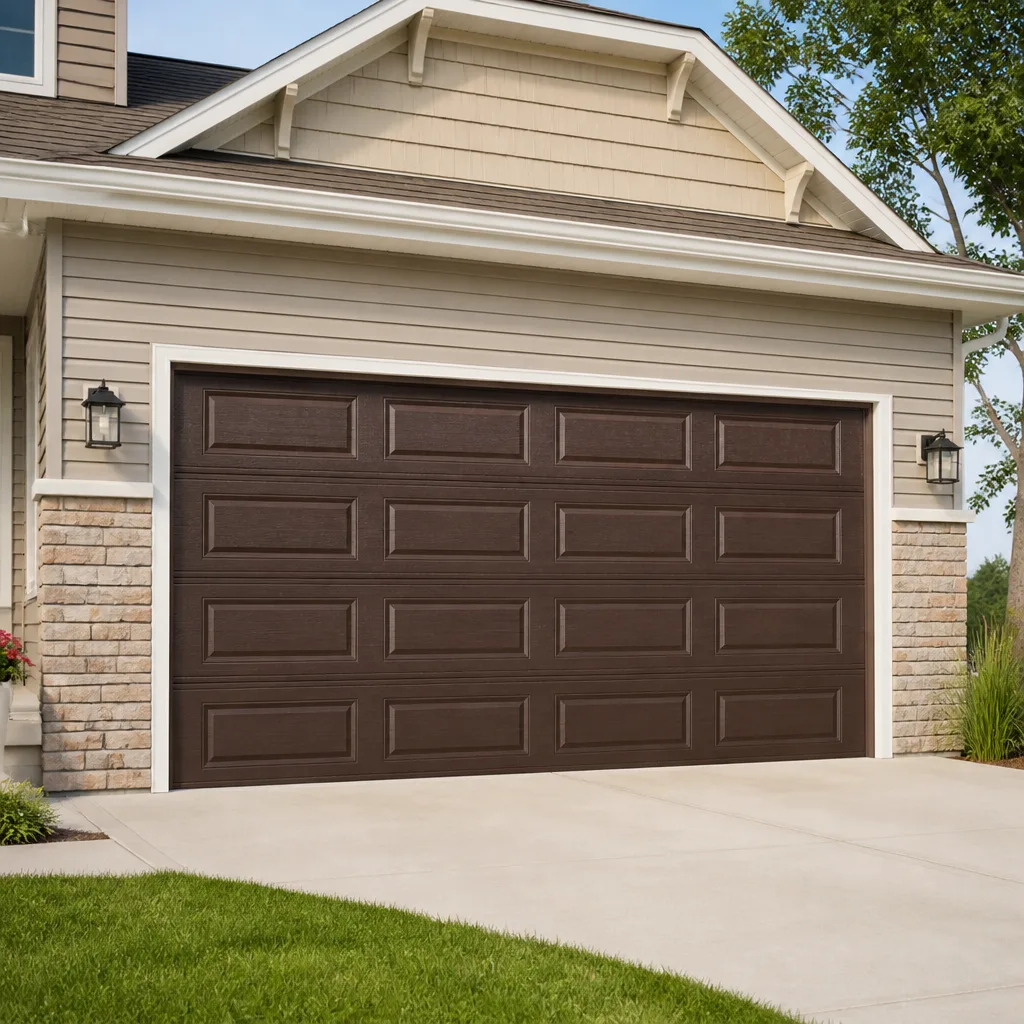
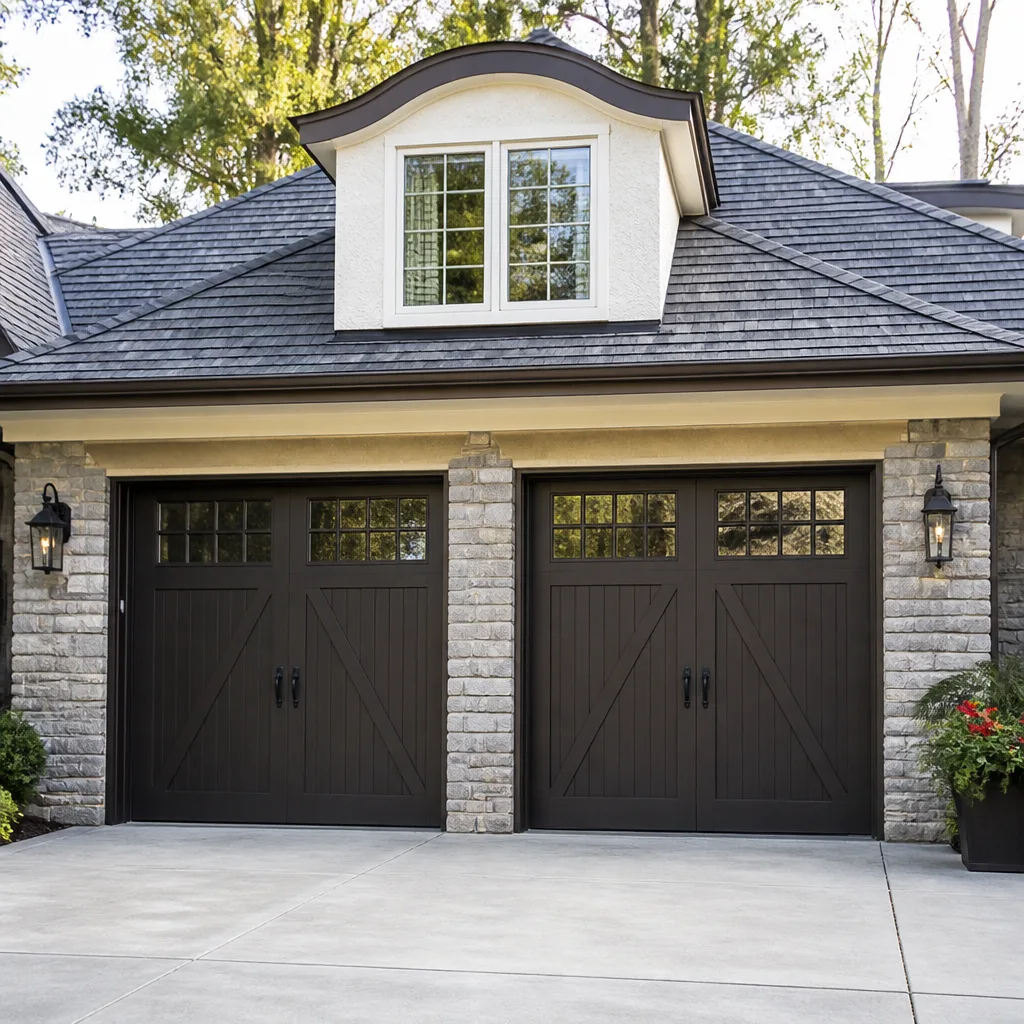
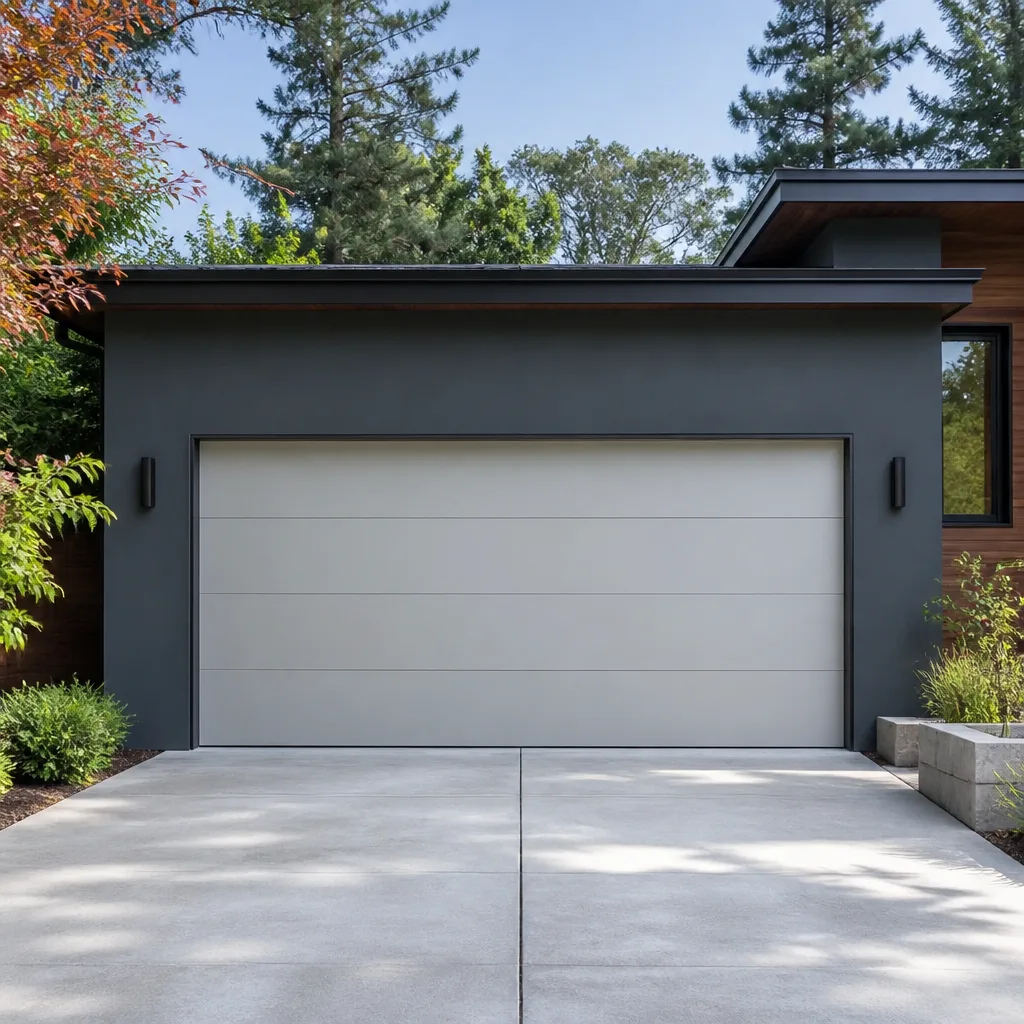
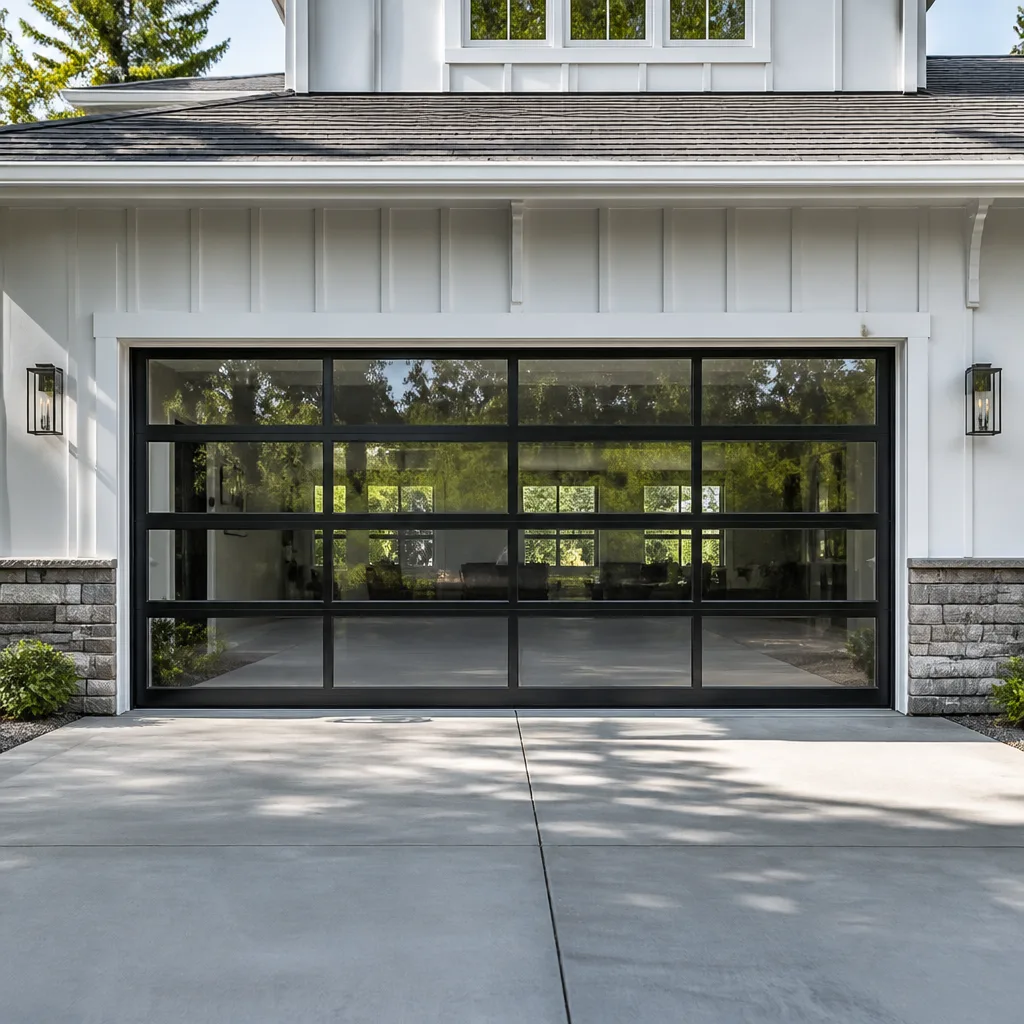
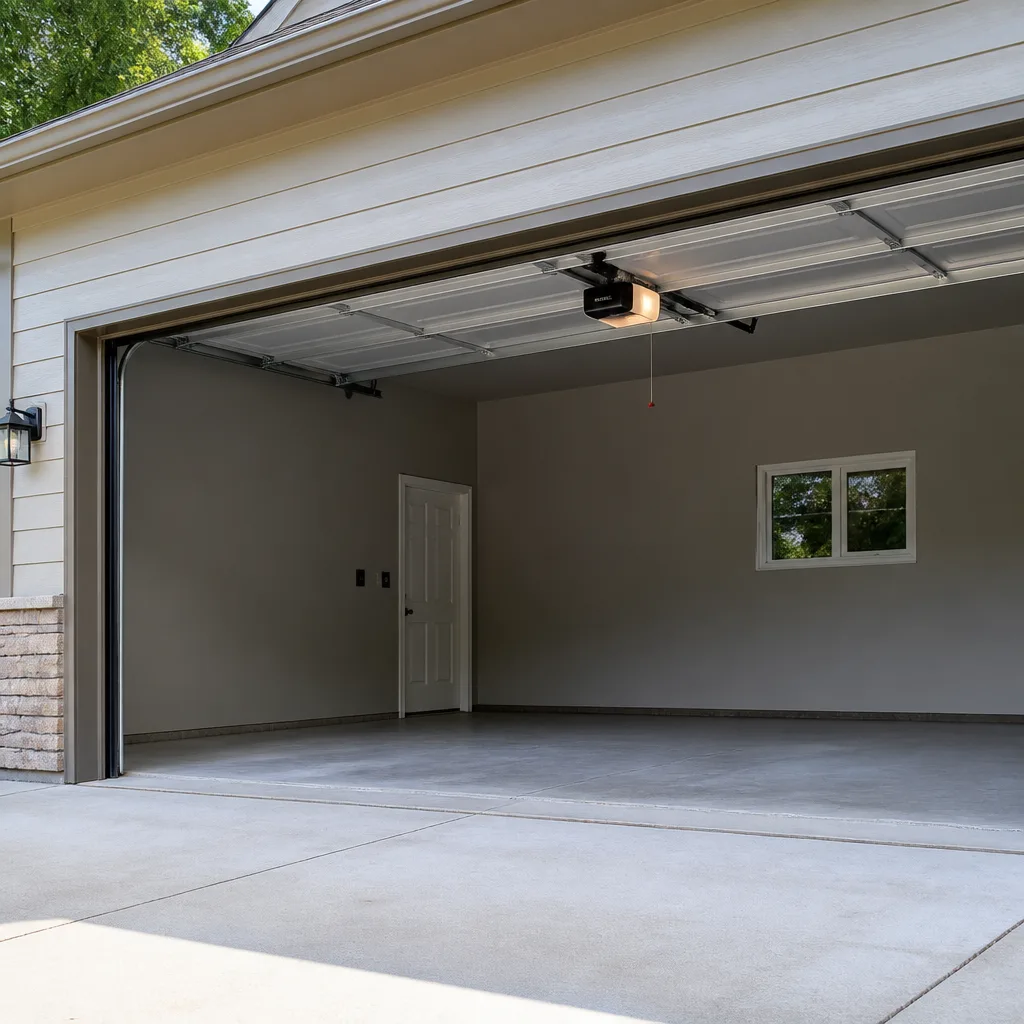
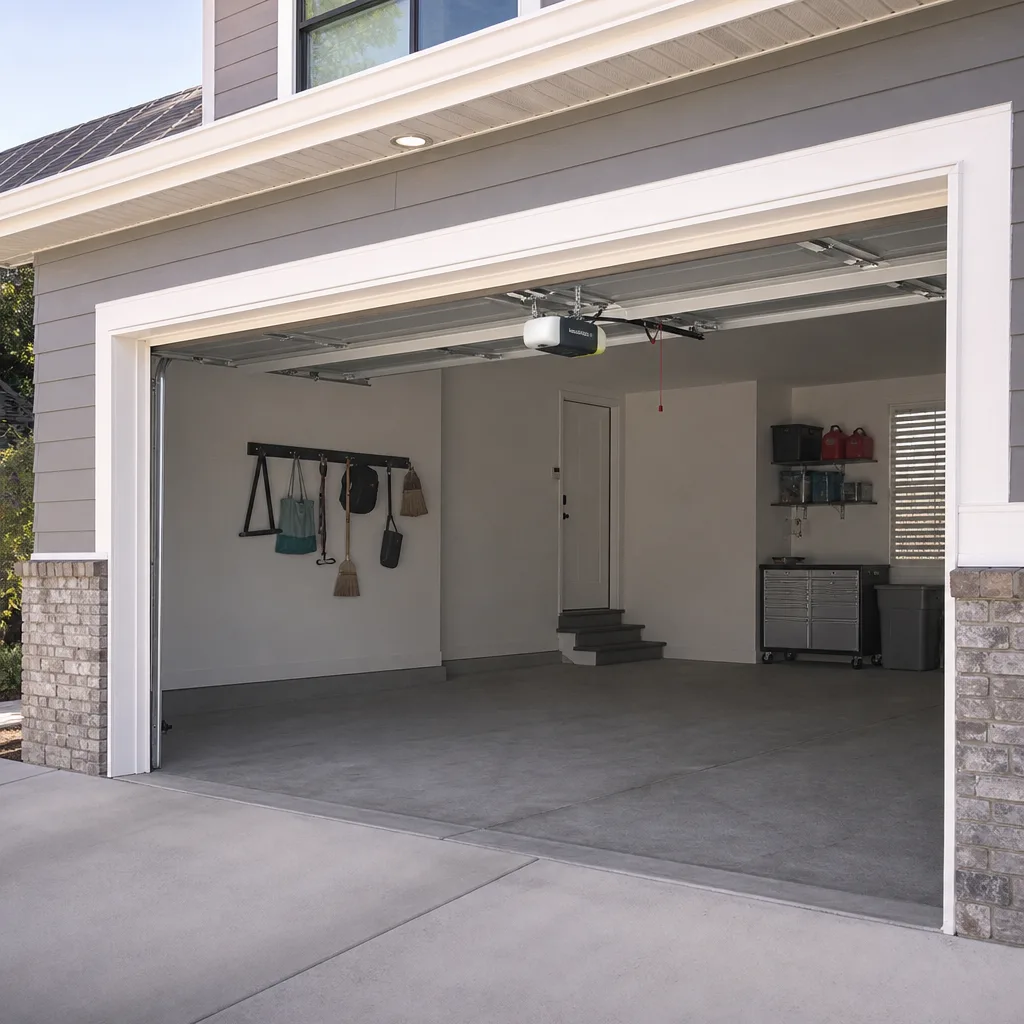
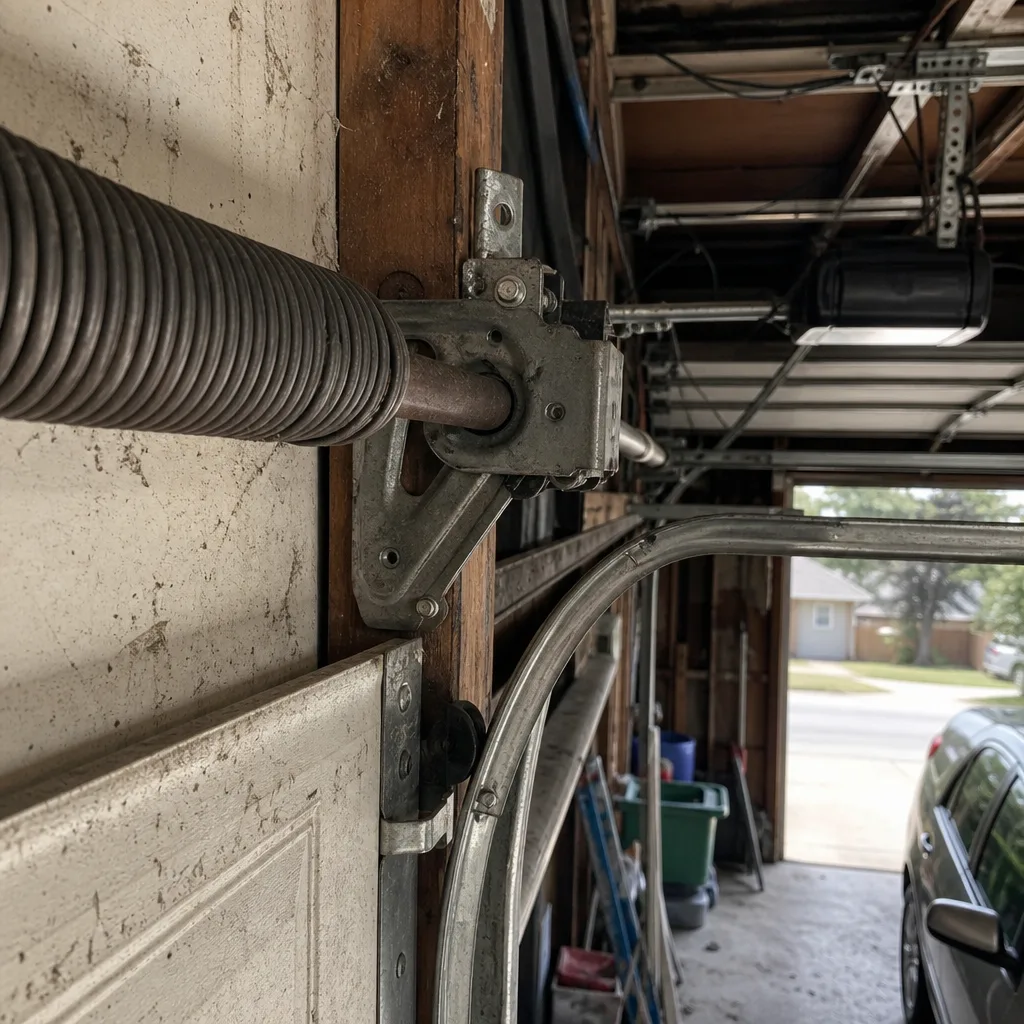 Before
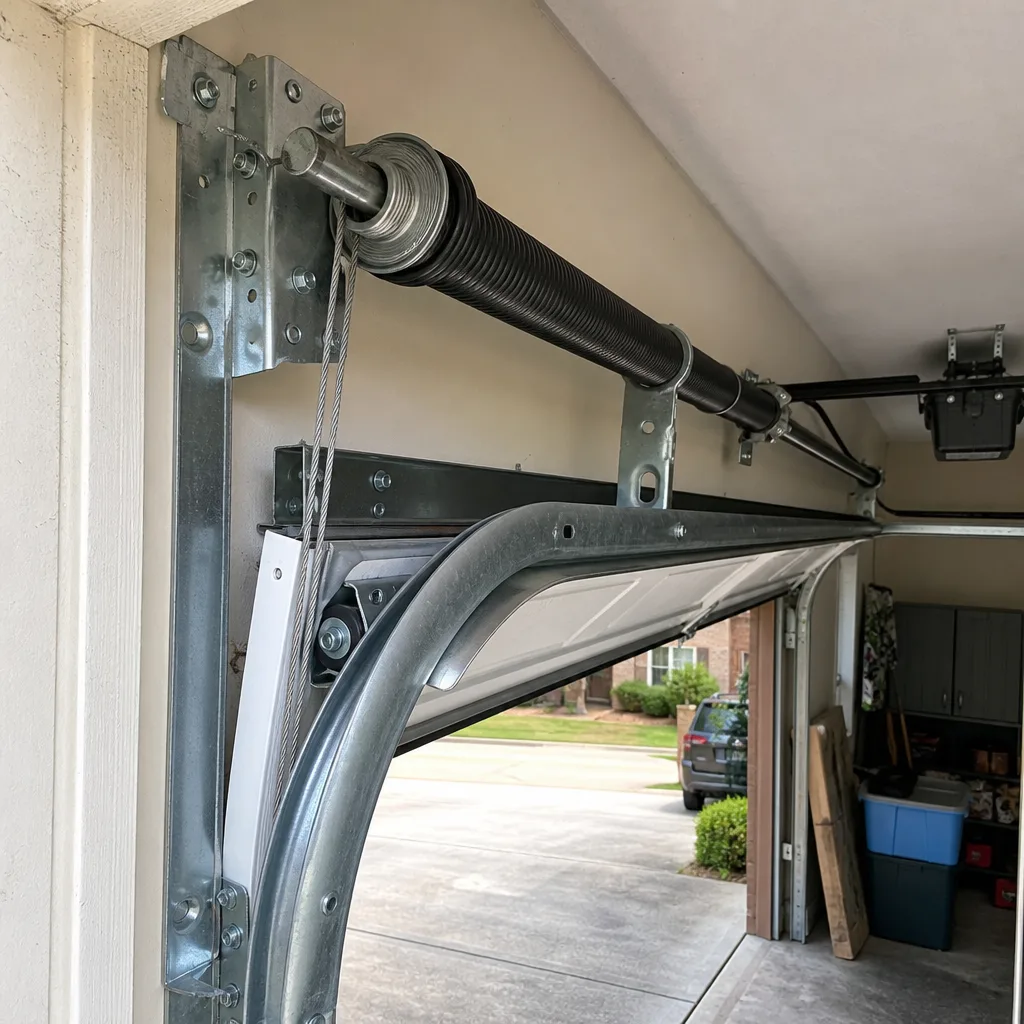 After
After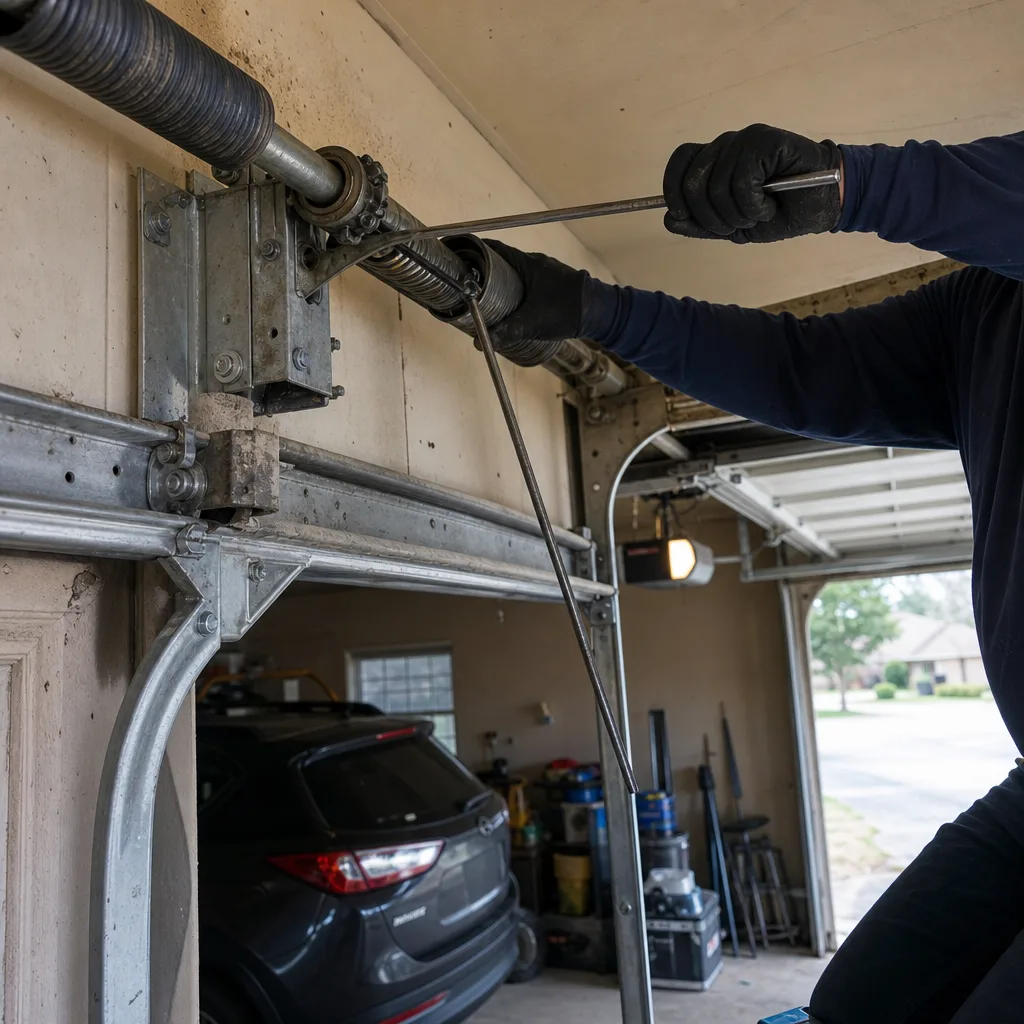 Before
 After
After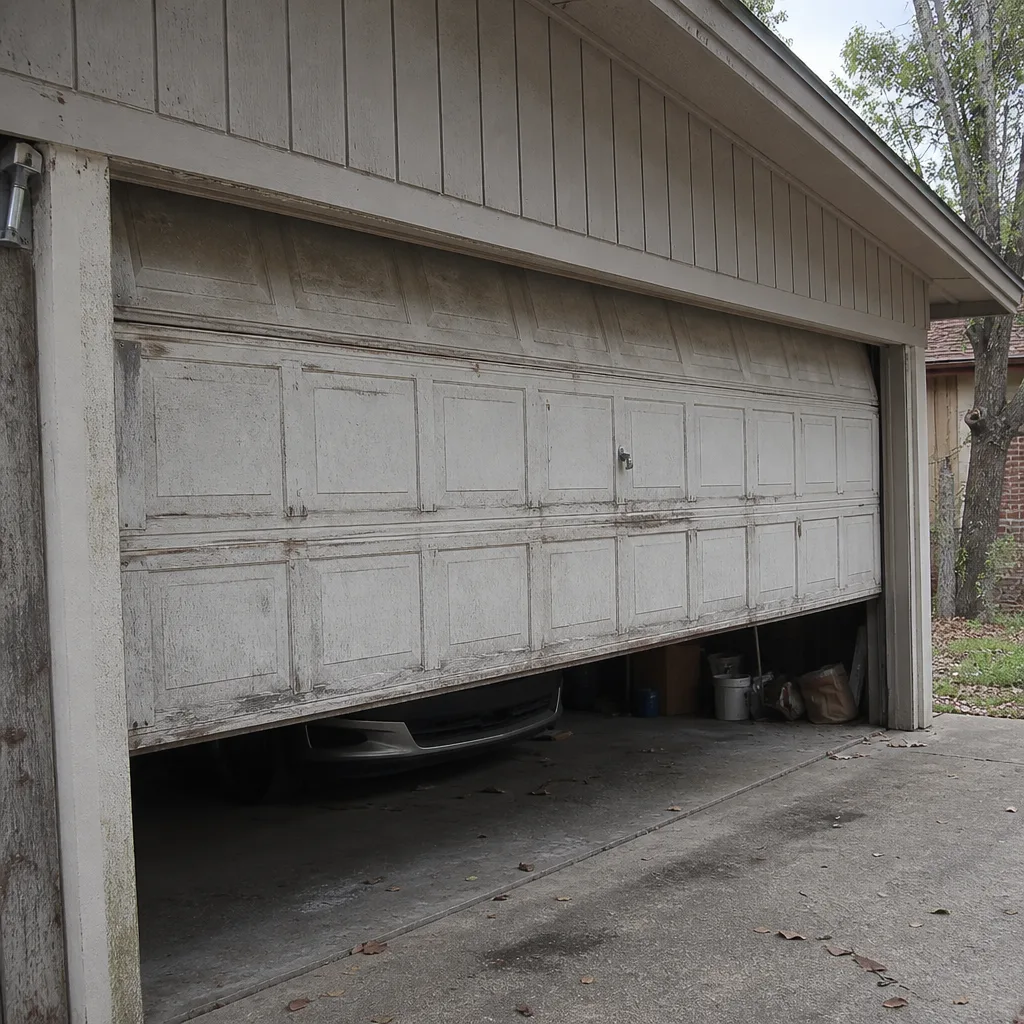 Before
 After
AfterGarage Door Cost Breakdown: The Spring Homeowner’s Reference for 2026
The $89 spring replacement advertised online typically becomes $220 once a technician accounts for the second spring, the worn cables, and the trip charge that wasn’t in the headline. We’ve been fixing garage doors in Spring since 2016, and the gap between headline prices and real invoices is the single biggest source of frustration we hear from homeowners. This guide breaks down what garage door repairs and replacements actually cost in the Spring, TX market, line by line, so you can evaluate a quote on its merits rather than hunt for the lowest number on a search results page. For more guides & resources, visit our blog.
Quick Answer
Garage door repair costs in Spring, TX typically range from $120 for a simple roller swap to $650 for a full opener replacement with premium features. Most homeowners in our market spend between $220 and $420 on the repairs they actually need, not the teaser price they first saw advertised. Replacement of an entire standard steel door with installation generally runs $1,100 to $2,400 depending on size, insulation, and hardware tier.
Table of Contents
- Common Repairs and Their Real Costs in Spring
- When Replacement Makes More Sense Than Repair
- Why Two-Spring Systems Cost More Upfront But Less Over Time
- The Three Variables That Cause Honest Price Differences
- How to Read an Estimate and Avoid Surprise Charges
- The Math: When Repair Crosses Into Replacement Territory
- How Spring’s Climate Affects Your Garage Door and Its Maintenance Costs
- What to Ask Before You Hire
Common Repairs and Their Real Costs in Spring
Every repair starts with a diagnosis, and every honest quote includes labor, parts, and the trip to your home. The ranges below reflect what we charge and what we’ve seen from reputable competitors in the Spring market. Prices below $120 or above these ceilings should prompt hard questions.
| Repair | Typical Range (Spring, TX) | What Drives the Variation |
|---|---|---|
| Spring replacement (single) | $180 - $260 | Spring type (torsion vs. extension), wire gauge, cycle rating |
| Spring replacement (dual torsion) | $240 - $380 | Both springs replaced as a matched set; door weight and height |
| Cable replacement (pair) | $140 - $220 | Cable length, drum type, whether cables frayed due to spring failure |
| Roller replacement (full set, 10-12 rollers) | $120 - $280 | Standard steel vs. sealed nylon; noise reduction value |
| Panel replacement (single, standard steel) | $280 - $550 | Panel availability for door age/brand; color matching |
| Opener replacement (chain drive, basic) | $380 - $520 | HP rating, chain vs. belt, Wi-Fi features |
| Opener replacement (belt drive, smart) | $520 - $650 | Battery backup, camera integration, wall console options |
| Track realignment or section replacement | $160 - $340 | Bent track vs. full section; cause (impact vs. wear) |
| Bottom seal replacement | $85 - $150 | Seal type (vinyl, rubber, bulb-style); retainer condition |
| Keypad/remote programming (per device) | $45 - $85 | Brand compatibility; whether original manual is available |
Spring replacement sits at the top of this list for good reason. Torsion springs carry the full weight of your door, and in Spring’s humidity cycle, we’ve seen corrosion accelerate fatigue in garages without adequate ventilation. A standard 10,000-cycle spring lasts roughly 7-10 years for a typical household with two cars. In neighborhoods like Gleannloch Farms or Windrose, where many homes were built in the late 1990s and early 2000s, we’re now seeing the second or third spring replacement on original doors.
Cable replacement often follows spring failure. When a spring breaks, the door drops unevenly, and that shock load frays or kinks the cables. We won’t replace a spring without inspecting the cables, and we won’t leave a door with compromised cables. That’s not upselling. It’s the difference between a door that runs for years and one that comes off the track in six months.
Panel replacement deserves special mention because it’s where homeowners often face a hard choice. If your door is a Wayne Dalton, Craftsman, or Raynor model from the 2000s, panels may be discontinued or available only in limited colors. We carry factory-familiar knowledge across all major brands, but we won’t promise a perfect match on a 15-year-old door when the factory stopped making that skin three years ago. In those cases, we quote both panel replacement and full door replacement so you can see the economics clearly.
Garage Door Repair in Spring covers our full repair capabilities, including same-day response for doors stuck open or off-track.
When Replacement Makes More Sense Than Repair
A new garage door is not a small purchase, but there are clear thresholds where repair becomes the more expensive path. Here are the scenarios where we routinely recommend replacement to Spring homeowners.
- Multiple failed components at once. When springs, cables, and rollers all need replacement on a door older than 12 years, the repair bill often hits $600-$800. A new insulated steel door with hardware starts around $1,100 installed. The incremental cost buys you a full warranty, modern safety features, and another 15-20 years of service.
- Structural damage to the door itself. A vehicle impact that dents the bottom section often warps the internal stiles or hinge points. Panel replacement fixes the cosmetics, not the geometry. We’ve seen “repaired” doors bind, rub, and prematurely wear new hardware because the frame is subtly twisted.
- No safety reversal system. Doors manufactured before 1993 lack the automatic reverse feature federal law now requires. Retrofitting is possible on some openers, but often costs nearly as much as a new opener with full modern safety features, battery backup, and smartphone connectivity.
- Energy costs are climbing. Uninsulated single-layer steel doors in Spring’s summer heat transfer enormous thermal load into attached garages. Homeowners in Cypress Trails and Augusta Pines with conditioned spaces above or adjacent to the garage often see utility bills drop after installing an R-12 or R-16 insulated door.
- The door has been repaired three or more times in five years. At some point, accumulated wear exceeds the value of any single component. We track this honestly. If you’ve called us twice for the same door in three years, we’ll flag replacement at the next service call and show you the math.
Garage Door Installation in Spring details our measurement process, door options, and what to expect on installation day.
Why Two-Spring Systems Cost More Upfront But Less Over Time
Here’s a fact most cost guides bury: a single torsion spring on a heavy door is a design compromise that saves the builder $40 and costs you hundreds over the door’s life.
Single-spring systems were common on builder-grade installations in Spring through the mid-2000s. The math is simple. One spring carries the full load, cycles twice as often, and fails in roughly half the time of a dual-spring setup. When it fails, the door is dead weight. If it breaks while opening, the door can slam down. If it breaks while closed, you may not be able to open it manually, even with the emergency release.
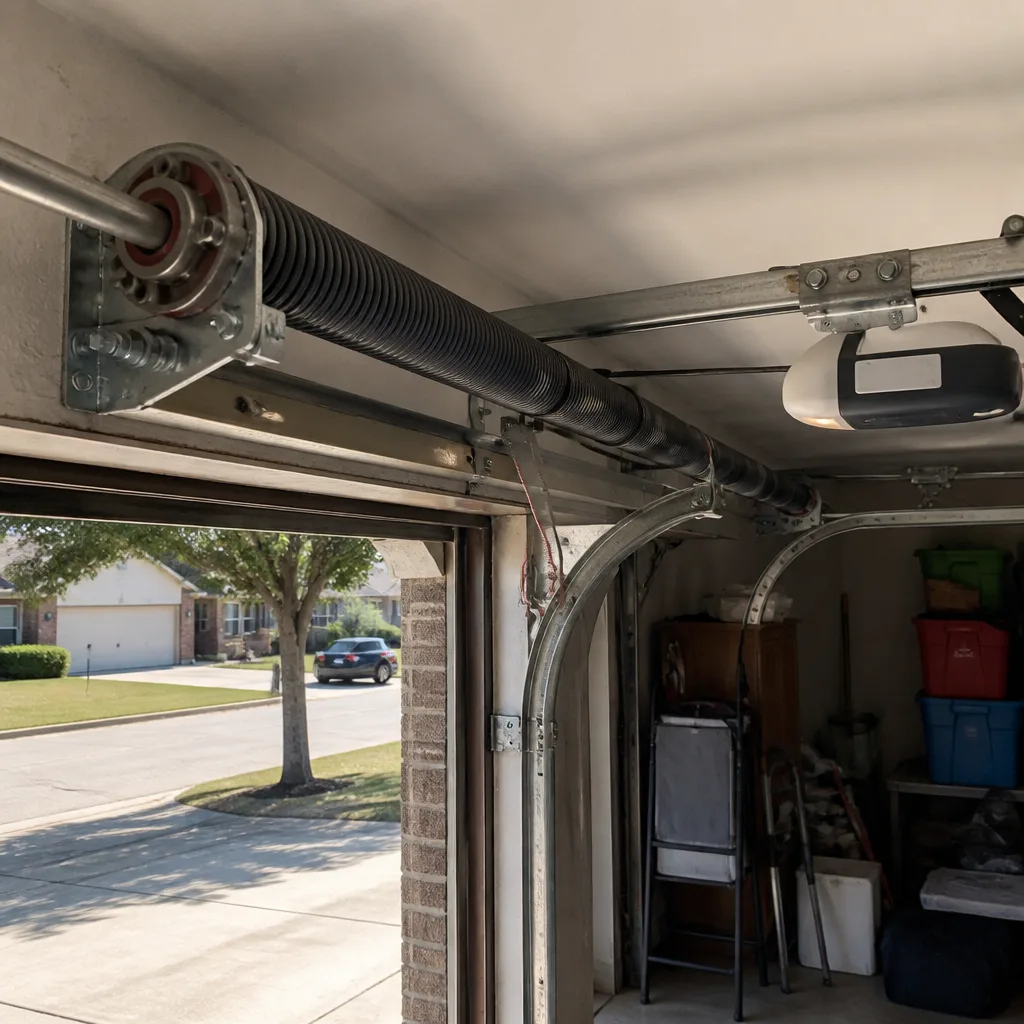
Dual-spring systems split the load. Each spring works less, lasts longer, and provides redundancy. If one spring weakens, the door may run unevenly, but it won’t trap your car. The upfront cost difference is typically $60-$120 in parts and labor. The return comes in extended service life and the elimination of one entire replacement cycle.
How to tell what you have without crawling into the garage:
- Look at the torsion tube above the door. One spring centered on the tube means single-spring. Two springs, one on each side of the center bracket, means dual-spring.
- Check your door width. Single-spring systems are rare on doors wider than 16 feet. If you have an 18-foot door with one spring, it was likely retrofitted by a previous owner trying to save money.
- Ask directly. When you call for a quote, ask: “Are you quoting one spring or two, and why?” The answer reveals whether the contractor is thinking about your door’s long-term performance or this month’s invoice.
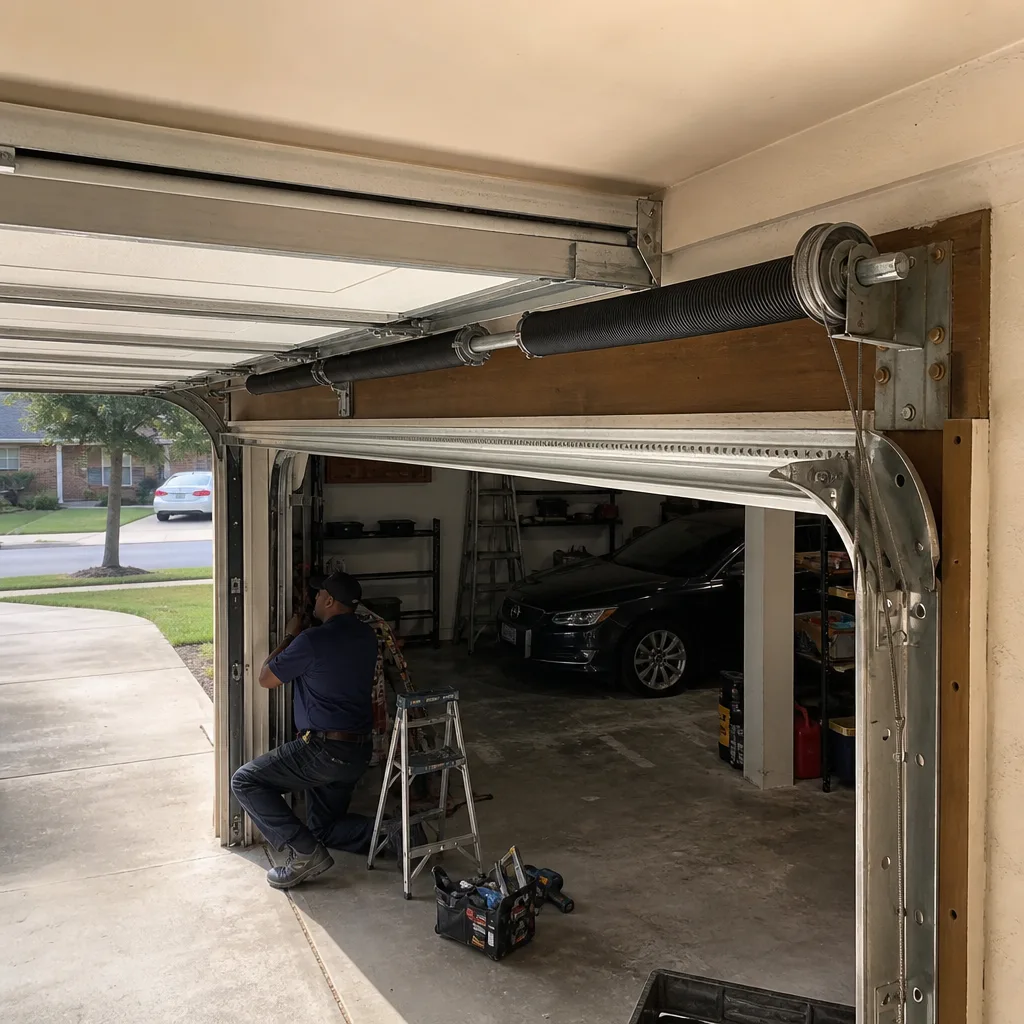
We install dual-spring systems on every replacement we perform in Spring unless the door weight genuinely doesn’t warrant it. The 90-Day Done Right Promise covers our spring work, and we’d rather not use that promise because a single spring failed early.
The Three Variables That Cause Honest Price Differences
Not every price gap between two quotes signals a scam. These three factors create legitimate variation between honest contractors in the Spring market.
Parts quality tier. Springs are not commodities. A 10,000-cycle spring and a 30,000-cycle spring may look identical and carry the same wire gauge, but the metallurgy and winding process differ dramatically. The cheaper spring costs us $18. The better one costs $42. Over ten years, the difference in replacement frequency more than pays for the upgrade. We quote the better spring by default and explain the alternative if you ask. Some competitors quote the cheap spring by default and upgrade only if you push back.
Labor time and technician skill. A spring replacement on a standard 16-foot door takes a trained journeyman 45-60 minutes. An inexperienced technician may take two hours, or worse, may install the spring with incorrect tension. Incorrect tension wears everything faster: cables, rollers, opener drive gear, even the door sections themselves. Our technicians train under the K.E.Y.S. values code, Krafted right, Every time, Your home first, Standing behind it. That training costs us, and it costs you less over time.
Warranty length and terms. A 30-day warranty on labor is common in the low-bid market. Our 90-Day Done Right Promise is written on every invoice: if it’s not right, we come back, no paperwork, no arguing. The confidence to offer that term comes from doing the work correctly the first time. Warranty length is a proxy for workmanship quality, and it’s worth pricing into your comparison.
How to Read an Estimate and Avoid Surprise Charges
The word “estimate” means different things to different contractors. In our experience, the Spring homeowners who get burned are those who don’t clarify which kind they’re receiving.
There are three estimate types in this market:
- Phone estimate based on description. Useful for rough budgeting, worthless for final decisions. We provide these when asked, but we label them clearly: “subject to on-site confirmation.” No honest contractor can diagnose a spring’s wire gauge or a track’s bend severity over the phone.
- Free on-site estimate with diagnostic fee waived if work proceeds. This is our standard practice. We inspect, diagnose, and quote a flat price. If you proceed, the diagnostic time is included in the repair price. If you decline, there’s no charge. The price we state is the price on the invoice.
- Low initial quote with add-ons discovered after work begins. This is the model behind those $89 spring ads. The technician arrives, “discovers” the second spring, the worn cables, the “safety issue” with the bottom bracket, and the final bill triples. By then, your door is disassembled and you’re committed.
How to protect yourself:
- Ask explicitly: “Is this a flat price that includes all parts, labor, and the trip charge?”
- Ask: “What conditions would cause the price to increase after you start?”
- Request the quote in writing before work begins, with a signature line for both parties.
- For any repair over $400, get a second opinion. We offer free second opinions on any written estimate from another contractor. No obligation, no pressure.
Our standing offers include $50 off any repair over $250, which we apply automatically when the quote meets the threshold. We also maintain a permanent 5% discount for seniors and veterans. These aren’t seasonal promotions that disappear. They’ve been in place for years because they’re the right thing to do for the community that’s supported us since 1984.
The Math: When Repair Crosses Into Replacement Territory
There’s a simple framework we use with Spring homeowners who are on the fence. It accounts for the door’s age, the repair cost, and the likelihood of future repairs.
Start with the door’s current age. A well-maintained steel door lasts 20-30 years. An uninsulated door in a humid garage, or one that’s been repaired multiple times, may be terminal at 15.
Apply this rule: if the repair exceeds 30% of replacement cost and the door is past 60% of its expected life, replacement is usually the better financial decision.
Example: Your 14-year-old door needs $650 in repairs (springs, cables, rollers, and a bent track section). Replacement with a comparable new door runs $1,400. The repair is 46% of replacement cost. The door is at 70-93% of expected life. Replacement is the clear choice.
Example: Your 8-year-old door needs $280 in spring and cable work. Replacement runs $1,600. The repair is 18% of replacement. The door has 12-22 years remaining. Repair is the clear choice.
The gray zone sits where repair is 20-35% of replacement and the door is 10-18 years old. In these cases, we ask additional questions. Is the door insulated? Does it match your home’s current aesthetic? Are you planning to sell in the next three years? Have you had other repairs? The answers tip the decision, and we quote both paths so you can see the numbers.
How Spring’s Climate Affects Your Garage Door and Its Maintenance Costs
Spring, TX sits in a subtropical humidity zone with summer temperatures regularly above 95°F and winter lows that occasionally dip below freezing. That thermal swing, combined with Gulf Coast moisture, creates specific wear patterns we’ve learned to anticipate.
Garages in older Spring neighborhoods like Memorial Northwest and Cypresswood often lack the ventilation standards of newer construction. Humidity accumulates, condenses on cold steel components, and accelerates surface corrosion. We’ve opened torsion spring assemblies in these garages and found rust pitting that reduced a spring’s effective life by 40%. The spring didn’t fail because it was cheap. It failed because the environment was hostile.
Our $89 Seasonal Tune-Up addresses this directly and follows our Garage Door Repair Maintenance Checklist for Spring Homeowners. We lubricate moving components with synthetic grease formulated for high-humidity environments, inspect springs for early corrosion, check cable wear patterns, and test safety reversal systems. Catching a frayed cable or a weakening spring before it fails saves the emergency call premium and the inconvenience of a trapped vehicle.
Another local factor: hail. Spring sits in Harris County’s hail alley, and we’ve seen an increase in panel damage calls after spring storm seasons. Insurance often covers this, but the adjuster needs documentation. We photograph damage, provide written assessments, and work directly with carriers when requested. If your door was damaged in a recent storm, call before you file. We can tell you whether the damage is cosmetic or structural, and that distinction matters for your claim.
Garage Door Opener in Spring covers opener selection for our climate, including battery backup options for power outage resilience during hurricane season.
What to Ask Before You Hire
The right questions reveal whether a contractor is equipped to do the job and structured to stand behind it. We suggest Spring homeowners ask every company they consider, including ours.
- “Are your technicians employees or subcontractors?” Employees train consistently, wear uniforms, and undergo background checks. Subcontractors may be skilled, but quality control is harder. Every Mainspring technician is a W-2 employee, background-checked, and uniformed.
- “What does your warranty cover, and for how long?” Parts warranties from manufacturers are standard. Labor warranties reveal the contractor’s confidence. Our 90-Day Done Right Promise covers labor and installation. If it’s not right, we return at no charge.
- “Do you stock parts on your trucks?” A second trip means a second scheduling window, more time off work, and often a second trip charge. Our trucks carry springs, cables, rollers, openers, and common panels. Most jobs finish in a single visit.
- “Will the price change after you start?” The only honest answer is “only if we find something we couldn’t see during inspection, and we’ll stop and discuss it with you before proceeding.” We state our flat price upfront. It’s on the invoice. It doesn’t change.
- “How long have you been in business under this name?” Fly-by-night operators rebrand every few years to escape bad reviews. Mainspring Garage Door Co. home has served this area since 1984. We’re still answering the same phone number. We’ll be here when you need us again.
Common Mistakes to Avoid
- Chasing the lowest phone quote. The $89 spring special rarely survives contact with reality. Ask what’s included, then ask what typically gets added. The honest answer will be closer to $220-$280.
- Ignoring the second spring. If your door has two springs and only one is replaced, the new spring carries uneven load and fails prematurely. We replace matched sets. The small upfront savings of single-spring replacement costs a full second service call.
- DIY spring replacement. Torsion springs store lethal energy. Winding bars can slip, springs can snap, and the resulting injuries include broken bones and worse. We don’t provide step-by-step instructions for this work because no homeowner should attempt it. Call a professional.
- Neglecting the opener when replacing the door. A new insulated door may weigh 30% more than the old uninsulated one. Your existing opener may strain, overheat, and fail within a year. We check opener compatibility on every replacement quote and flag mismatches.
- Assuming all “free estimates” are equal. Some are sales pitches with inflated starting prices to create discount drama. Ours are flat-price quotes with no obligation. The difference matters.
- Waiting for total failure. A door that groans, shudders, or opens unevenly is telling you something. Addressing it early prevents cascade damage to tracks, hinges, and the opener. Our $89 Seasonal Tune-Up catches these warnings before they become emergencies.
- Choosing style over function for a rental or short-term hold. If you’re selling in two years, a mid-tier door with solid hardware outperforms a premium door with basic springs. We ask your timeline and tailor recommendations accordingly.
When to Call a Professional
Call when the door won’t open or close fully, when you hear grinding or popping sounds, when cables appear frayed or detached, when the door hangs unevenly, or when the opener strains but the door barely moves-these are all Garage Door Warning Signs: A Spring Homeowner’s Reference Guide recommends watching for. These symptoms indicate spring, cable, or track issues that worsen with continued operation. A door off its track can damage the sections, the opener, and anything stored beneath it.
For doors stuck open, we offer emergency response with live phone answering 24/7, including nights, weekends, and holidays. No phone trees, no voicemail, no after-hours answering service. A real person takes your call and dispatches a technician.
Mainspring Garage Door Co. offers free estimates in Spring. Call (936) 280-5668 to schedule a convenient time, or call now if your door needs immediate attention.
Frequently Asked Questions
Most common repairs in Spring range from $120 to $420, with spring replacement typically $220-$380 and opener replacement $380-$650. Call (936) 280-5668 for a free, flat-price quote on your specific door.
That price usually covers a single extension spring on a lightweight door, excluding the second spring, cables, trip charge, and labor for safe disposal. The final invoice typically reaches $220-$280 for the work most Spring homes actually need.
No. Torsion springs store enough torque to cause serious injury or death if mishandled. The winding process requires specialized tools and training. We recommend calling a professional for any spring work.
With Mainspring, no. We state a flat price before any work begins, and that price appears on your invoice. The only exception is if we discover a genuinely hidden issue during disassembly, in which case we stop and discuss it with you before proceeding.
A standard 10,000-cycle spring lasts 7-10 years for typical use. Spring’s humidity can accelerate corrosion in poorly ventilated garages, potentially reducing life by 30-40%. Our Seasonal Tune-Up includes corrosion inspection and protective lubrication.
Replace when repair exceeds 30% of replacement cost and the door is past 60% of expected life. For a 15-year-old door needing $600 in repairs versus $1,400 for new, replacement is usually the better value. We’ll quote both paths and explain our recommendation.
The Bottom Line
Garage door costs in Spring, TX are knowable and fair when you understand what’s included, what drives variation, and when repair becomes the more expensive path. Before starting any project, check our Garage Door Permits, Codes & Inspections in TX: What You Need to Know to ensure compliance. The lowest quote is rarely the cheapest over time. The right quote comes from a contractor who inspects before pricing, states the flat price upfront, stocks parts to finish in one visit, and stands behind the work with a written promise. We’ve operated that way since 1984, and we see no reason to change.
Call (936) 280-5668 for a free estimate. We’ll measure, diagnose, and quote a flat price with no obligation. If you have a written estimate from another contractor, we’ll provide a free second opinion. Seniors and veterans receive a permanent 5% discount. And if your repair exceeds $250, we’ll apply $50 off automatically. The price we state is the price you pay. No surprises on the bill.
Written by Carl Dutton, Owner at Mainspring Garage Door Co., serving Spring since 2016.